Lagundi (Vitex negundo), also known as the five-leaved chaste tree, is a familiar sight in many Filipino gardens. This hardy shrub produces clusters of purple flowers and has been part of Philippine folk medicine for generations. The Department of Health (DOH) recognizes lagundi as an herbal medicine for cough and asthma, and it is included in the country’s list of ten approved medicinal plants. Beyond its ornamental appeal, lagundi offers an accessible, natural way to soothe respiratory discomfort.
How Lagundi Helps
Lagundi leaves contain compounds with anti-inflammatory and antimicrobial properties. These act in a similar way to antihistamines and expectorants, helping to reduce inflammation and loosen phlegm. Because of these properties, lagundi tea or syrup can ease sore throats, relieve coughs and help manage symptoms of bronchial asthma. Some studies also note its analgesic (pain-relieving) effects, which can soothe the discomfort that often accompanies respiratory infections.
Traditional and Modern Use
Filipinos traditionally boil lagundi leaves to prepare a decoction for respiratory ailments. According to local health articles, boiling the leaves and drinking the liquid helps relieve coughs, fevers and even allergic rhinitis. Nowadays, lagundi is widely available in tablet, capsule and syrup forms, making it convenient for both adults and children. These preparations are regulated by Philippine authorities to ensure safety and quality.
Preparing Lagundi Tea at Home
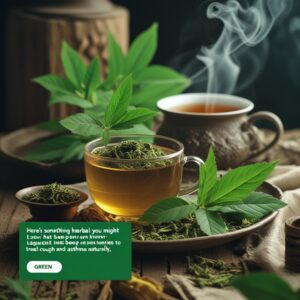
If you have access to fresh lagundi leaves, making your own tea is simple. Wash a handful of leaves thoroughly, then either:
- Boil 1/2 cup of leaves in 2 cups of water for 10–15 minutes. Strain the liquid and drink half a cup three times a day.
- Pour boiling water over the leaves and let them steep for 5–10 minutes before straining. This milder infusion can be taken warm to soothe the throat.
For children or those who prefer ready-made products, over-the-counter lagundi syrups and capsules provide measured doses. Always follow the instructions on the packaging.
Safety and Precautions
Although lagundi is a natural product, moderation and professional advice are important. Pregnant or breastfeeding women should consult their doctor before taking lagundi. Some people may be allergic to compounds in the plant, so discontinue use if you experience itchy skin, swelling of the lips or other allergic reactions. As with any herbal medicine, it’s best to seek medical guidance if symptoms persist or worsen.
Embracing Local Herbal Wisdom
Lagundi is just one of the many plants celebrated in the Philippines for their medicinal value. By incorporating lagundi tea or syrup into your wellness routine, you can tap into centuries of herbal wisdom while supporting local agriculture. Combined with a balanced diet and regular exercise, natural remedies like lagundi can help keep your respiratory system healthy and resilient.
Feel free to consult a healthcare professional to see if lagundi is right for you, especially if you have existing medical conditions or are taking other medications. Nature offers powerful tools—when used responsibly, they can complement modern medical care and enrich your overall health.